
An automatic car wash seems like the practical choice. You drive in, a few minutes later you drive out clean, no buckets, no effort. Yet we hear from customers all the time who came away from one with fresh scratches and swirl marks that were not on the car when they went in. If that is you, this guide will help. We will show you how to fix car wash scratches on paint the correct way, at home, without handing a bodyshop a small fortune for the privilege, then how to avoid it happening again, including what to use instead of those brush washes. The good news to lead with: most car wash damage is shallow and comes out with the right product and a little care.
First, Test How Deep the Scratch Goes
Before you buy anything, do this one simple test, because it tells you which fix you actually need. Run a fingernail gently across the scratch. If your nail glides straight over it with no catch, the mark is in the clear coat only, and it will almost certainly polish out with no paint at all. If your nail catches in the scratch, it has gone deeper, through to the colour coat or beyond, and that needs a different approach involving touch-up paint.
That single test saves you money and effort, since clear coat swirls, which is what most car wash damage turns out to be, never need paint.
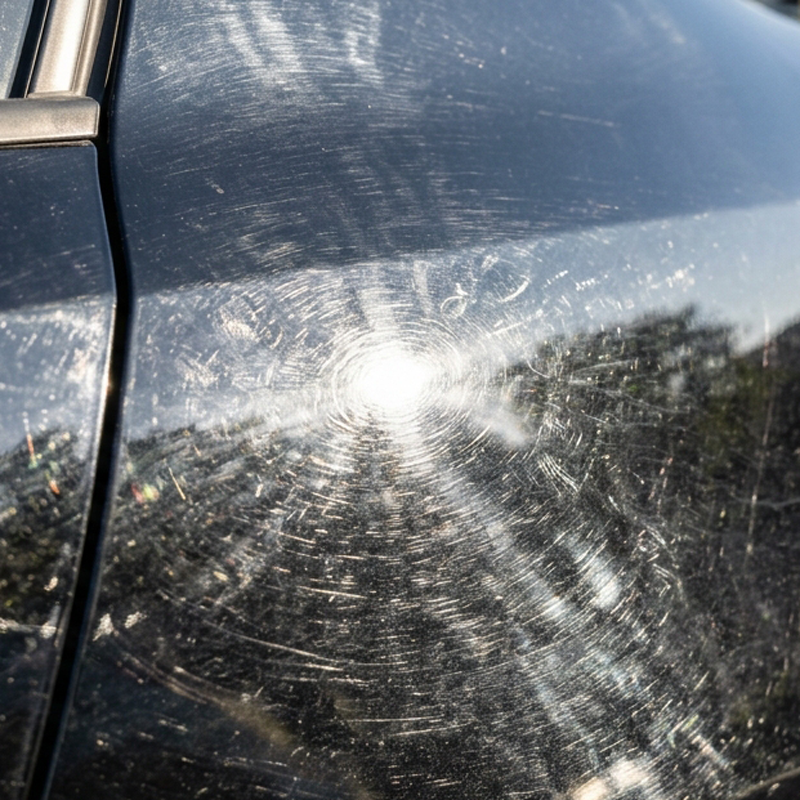
Fixing Clear Coat Swirl Marks
If the scratches do not catch your nail, here is the fix, and it is genuinely straightforward.
Start by washing and drying the panel thoroughly to lift every last bit of grit, because polishing over trapped grit just adds fresh scratches. A waterless wash and wax gets this done quickly and leaves a layer of protection behind, no hose or bucket required.
Next, level the very top of the clear coat to lift the swirls away. A dedicated scratch removal compound is the best way to go here, clearing swirl marks, holograms and fine scratches by hand or machine while staying safe on the clear coat. Work in small sections with light pressure, since a few gentle passes always beat one hard one, and let the compound do the work rather than forcing it.
Once the swirls are gone, bring the gloss back up and protect the fresh surface with a detailer, which restores shine and lays down protection in one quick step.
That is the whole job for the most common kind of car wash damage. No paint, no colour matching, just the right compound and a bit of patience, for a fraction of what a bodyshop would charge to machine-polish the panel. Feel free to browse the rest of our exterior care range while you are at it.
When a Car Wash Makes an Existing Chip Worse
Here is the honest part, and the one situation where car wash damage becomes more than cosmetic. The scratches themselves are shallow, but a car wash behaves very differently if your car already has a stone chip.
An unsealed chip with bare metal showing is a weak point in the paint. The pressurised water, the brushes and the wash chemicals can all drive moisture and grit down into it and lift the paint around its edges, turning a small, stable chip into a growing one over repeated visits. That is also where rust gets its chance. Forcing water into exposed metal wash after wash, in the damp UK climate, gives corrosion a foothold at the chip edges. Not overnight, but a chip left unsealed through regular washing is working against you.
The fix is to seal the chip, and the order matters. If surface rust has already started, showing as an orange or brown tint in the chip, treat it first, because painting over active rust only hides it for a few weeks. You want a reliable rust converter for this, which turns that surface rust into a stable, paintable surface so the chip is properly dealt with before you seal it. For the full picture on how quickly a chip can rust and why, our guide to treating rust in a stone chip covers it in detail.
Once any rust is treated, seal the chip with colour-matched touch-up paint to lock moisture out for good. This is where matching your exact colour matters, so find your match with our colour-match tool and a repair kit gives you the paint, blending solution and polish to do it properly in one go.
When the Scratch Is Too Deep to Polish
Not every car wash scratch is a shallow swirl. Occasionally a wash leaves a deeper scratch that catches your nail and has gone through to the colour or the primer. A compound will not fix that, since there is damage below the clear coat that needs filling with colour, not polishing away. This is touch-up paint territory: match the colour, apply it in thin layers, blend it flush and polish. A repair kit handles this and comes with everything the job needs.
Genuinely deep scratches, or damage spread across several panels, are the exception where a bodyshop earns its money. We would always rather be straight about that than sell you a kit for a job it is not built for. For a single scratch on one panel, though, even a deep one, a kit sorts it at home for a fraction of the cost.
Car Wash Scratch Severity, at a Glance
| Scratch type | Fingernail test | Fix | Paint needed |
| Clear-coat swirls | Does not catch | Polish with scratch compound | No |
| Through to colour | Catches lightly | Touch-up paint, then blend and polish | Yes |
| Chip worsened by washing | Catches, metal showing | Treat any rust, then seal with paint, blend and polish | Yes |
| Deep or multi-panel | Catches deeply | Bodyshop | Pro job |
Why a Car Wash Causes Scratches in the First Place
If you are wondering how a wash meant to clean your car ends up marking it, here is what is going on, and it is worth knowing both to trust the fix and to avoid a repeat. Automatic brush washes are the usual culprit. Those big rollover brushes drag grit and grime from every car that went through before you straight across your paint, and worn, hardened bristles are the worst offenders of all. The result is a mass of fine swirl marks, most visible on dark colours under direct light.
It is not only automatic washes, though. Even a careful hand wash can do it if the mitt is dirty or you are working from a single bucket, since you are effectively grinding lifted grit back into the paint with every pass. That is why technique matters as much as the type of wash.
Stopping It Happening Again
A few habits keep your paint swirl-free from here on. Choose touchless or hand car washes over the old brush rollovers wherever you can, since those worn brushes are the main offenders. If you wash at home, use the two-bucket method, one for clean water, one to rinse the mitt, so you are not grinding grit back into the paint. Keep a wax or detailer topped up, as a good protective layer takes the hit before your clear coat does. And deal with any existing chips before your next wash, so water and grit cannot work their way in.
Frequently Asked Questions
Can car wash scratches be removed?


Why does my car have swirl marks after the car wash?
Do I need touch-up paint for car wash scratches?
Can an automatic car wash cause rust?
Are car wash scratches covered by the car wash?
Search by using your Registration
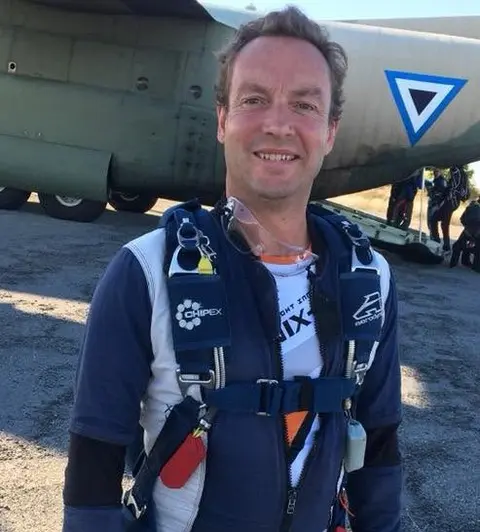
Johnny Graham – Founder of Chipex
Johnny founded Chipex in 2009 and developed its patented paint repair system, now trusted by over 1.5 million customers worldwide. With nearly four decades at the premium end of the automotive industry, he remains closely involved in refining Chipex’s paint formulations and colour-matching technology.


