
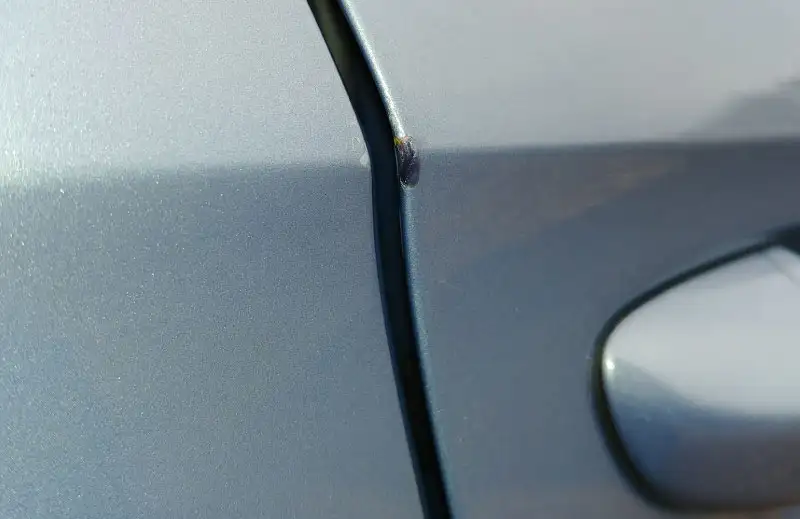
If you drive on UK roads, stone chips are not really a question of if, but when. A flicked-up stone off a motorway, loose grit on a country lane, debris thrown from the lorry in front, and that is all it takes to knock a tiny piece of paint clean off a panel. No car escapes them entirely. The good news is that knowing how to protect car paint from stone chips can cut down how many you collect, and there are six methods that genuinely work, ranked here from most effective to least.
We will be straight about one thing up front, because it is what separates a useful guide from an installer’s sales page.
Only one of these methods actually stops a stone chip on contact and that is Paint Protection Film.
The rest reduce the risk to varying degrees, and none of them is one hundred percent. So we will tell you what each one does, what it costs in 2026, and where its limits are.
| The Six Methods at a Glance | |||
|---|---|---|---|
| Method | Lasts | Typical UK cost (2026) | Effectiveness |
| Full-car PPF | 5 to 10 years | £3,500 to £6,500+ | Highest, stops most chips on contact |
| Partial-front PPF | 5 to 10 years | £800 to £1,400 | High, on the zones that matter most |
| Ceramic coating | 2 to 5 years | £200 to £600+ | Low for chips (good for other things) |
| Mud flaps and splash guards | Years | £15 to £60 a set | Moderate, on lower panels only |
| Driving habits | Ongoing | £0 | Moderate, and completely free |
| Parking and routing | Ongoing | £0 | Low to moderate, free |
1. Paint Protection Film (PPF), Full Car
Paint Protection Film, almost always called PPF, is a clear, thick urethane film applied over your paint. It is the only method on this list that physically takes a hit so your paint does not. Where a wax or coating is measured in microns, PPF is many times thicker, and the better films are self-healing, meaning light marks vanish with heat from the sun or warm water.
Full-car coverage is the gold standard. Full car PPF normally ranges from £3,500 to £6,500 or more in the UK, depending on vehicle size, the film used and the installer. It is a serious investment, which is why it tends to make sense on new, high-value or prestige cars kept for the long term.
The limit worth stating plainly: in some unfortunate cases, even PPF is not invincible. A hard enough impact can still mark the film, and a stone can land just outside the covered edge. Nothing can guarantee your paint one hundred percent safety, but PPF is the best protection there is.

2. Strategic Partial PPF on the High-Impact Zones
Here is the more sensible option for most drivers, and the one the cost favours. Stone chips do not land randomly. They cluster on the front of the car, so wrapping just those areas gives you most of the protection of a full wrap for a fraction of the price.
A partial-front package usually covers the front bumper, the leading edge or whole of the bonnet, the wing mirrors and part of the wings. Partial front end coverage typically costs between £800 and £1,400, and it is particularly popular with daily drivers who regularly travel on motorways or A roads, protecting the most exposed areas without extending film across every panel.
The one trade-off to know about is cosmetic. Partial coverage can leave faint film edges across the bonnet and wings where the film stops. Some owners happily accept that to keep the cost down. Others pay more for full-front coverage so there are no visible cut lines. Either way, this is the most cost-effective real protection on the list.

3. Ceramic Coating (With Honest Caveats)
This is where we have to clear up the biggest myth in the whole category. Ceramic coating does not protect against stone chips. It is a genuinely good product, just not for this specific job.
A ceramic coating is a liquid polymer that chemically bonds to your paint and cures into a hard, hydrophobic layer. It is excellent at what it does, repelling water, resisting UV fade, oxidation, water spotting and chemical etching, and making the car far easier to clean. What it cannot do is stop physical impact. The coating sits microns thick, where PPF sits at multiples of that, so a stone that would chip bare paint will chip a ceramic-coated panel just the same. Even detailers say so plainly, that ceramic resists light marring but will not stop deep scratches or stone chip damage.
On cost, professional ceramic coating solutions tend to range from around £199 to £599 for most cars, climbing past £1,000 for prestige vehicles or long-term coatings. DIY ceramic kits exist for well under £50, though prep is everything and a rushed job locks in defects rather than protecting against them.
Waxes and sealants belong in the same bracket. They leave a slick, protective layer that helps with wash-induced marring and general grime, but like ceramic, they do nothing against a flying stone. Useful products, wrong job.
4. Mud Flaps and Splash Guards
A simple, cheap, slightly old-fashioned method that still earns its place on the lower panels. Mud flaps sit behind the wheels and catch the grit, gravel and road spray your own tyres throw up at the sills, lower doors and rear arches. They do nothing for the bonnet or bumper, but for the lower bodywork they make a real difference, especially on gravelly roads and through winter.
A set of four runs roughly £15 to £60 depending on whether they are universal-fit or moulded to your specific model. They last for years and are an easy DIY fit. Modest protection, modest price, and worth it if you regularly drive unsurfaced or freshly gritted roads.
5. Driving Habits, the Free Method Most Guides Skip
This one costs nothing and most articles ignore it, which is a shame, because how you drive changes how many chips you collect.
The single biggest factor is following distance. Most stone chips on the bonnet and windscreen come from the vehicle in front flicking debris back at you. The Highway Code’s two-second rule is the baseline, but behind lorries, skip-loaders and construction vehicles, leave considerably more. They throw the most debris and the largest pieces.
A few more habits that help: avoid sitting in the inside lane on motorways where loose debris tends to gather, slow down on freshly chipped, gravelled or unsurfaced roads, and keep your distance in winter when grit is loose on the carriageway. That winter point matters twice over, because UK road salt and grit both increase impacts and speed up the rust risk from any chip that does get through.
6. Parking and Routing
The last method is the gentlest, but free and worth a mention. Where and how you keep the car shapes its exposure. A garage keeps it away from passing traffic and weather entirely. Where you can choose your route, smoother, better-maintained roads throw up less than gravel tracks and freshly surfaced lanes. And avoiding the worst roads during loose-chip season, just after councils have surface-dressed roads in summer, cuts your exposure when it is highest.
It will not stop a determined stone, but combined with sensible driving, it quietly reduces how often your paint is in the firing line.
Where Stone Chips Actually Happen
Understanding where chips cluster is what makes partial PPF such good value, because you can protect the worst-hit zones and leave the rest. On almost every car, the damage concentrates here:
-
- The front bumper, first in line for everything the road throws up.
-
- The bonnet leading edge, which takes debris at speed.
-
- The front wings or fenders, just behind the bumper.
-
- The wing mirror caps, sat right in the spray line.
-
- The headlight covers, low and forward-facing.
-
- The rocker panels and sills, hit by your own tyre throw.
-
- The A-pillars, beside the windscreen, catching anything that clears the bonnet.

If you are deciding where to spend on protection, that list is your map. It is also why the front of the car is where film pays for itself and the rear rarely needs it.
A Quick Word on Vinyl Wraps
Vinyl wraps come up a lot, so it is worth being clear. A standard vinyl wrap is an aesthetic product that happens to offer a little protection as a side effect. It is thinner than PPF and does not self-heal. PPF is the reverse, a protection product that happens to be invisible. If your goal is to change how the car looks, a wrap makes sense. If your goal is to stop stone chips, PPF is the product built for it.
When Prevention Falls Short: The Failsafe
Here is the honest conclusion all six methods lead to. Even with PPF on the front and careful driving everywhere else, some chips will still get through. A stone finds the edge of the film, or lands on a panel you did not cover, or simply hits hard enough to mark it. That is not a failure of protection, it is just the reality of UK roads.
So the real question is what you do each time it happens. Booking the car into a bodyshop for every chip means paying out again and again, on top of whatever you have already spent on protection, for damage that takes a professional minutes to sort. That maths does not add up for the kind of chips most cars actually pick up. The far more sensible option is a colour-matched touch-up kit. One kit lives on the shelf, costs a fraction of a single bodyshop visit, and handles chip after chip as they appear.
It matters most when a chip has reached metal, because that little pit holds moisture against the steel, and in a damp British climate rust can take hold within days. Catching it early with a kit keeps a cosmetic chip from ever becoming a corrosion problem. The job itself is quick: you find your car’s exact paint, fill the chip, blend it flush and polish it.
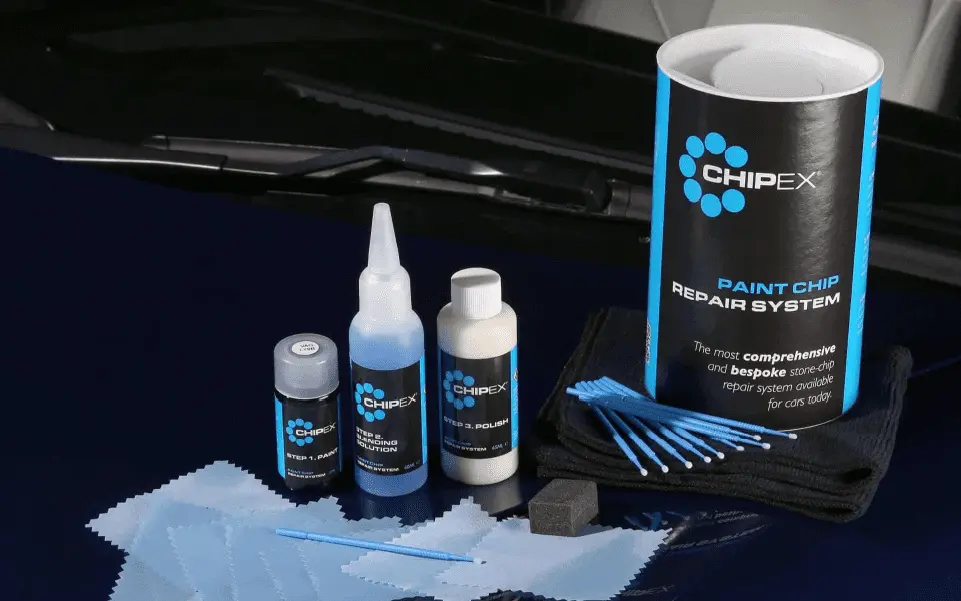
Our step-by-step guide to repairing a stone chip walks through the whole process, and the easiest way to get the colour spot on is to find your exact factory paint with our colour-match tool, which pulls it from your registration in seconds.
From there, a Chipex touch-up kit has everything you need.
And if film and coatings are out of your budget for now, that is genuinely fine. You can skip the protection entirely and still keep your paint sound, because you know a single kit will fix the chips, and even a whole panel of road rash, as they come. Protection slows the chips down. A kit makes sure not one of them ever turns into rust.
Search by using your Registration
Frequently Asked Questions
What is the best way to protect car paint from stone chips?


Does ceramic coating protect against stone chips?
How much does paint protection film cost in the UK?
Can stone chips be prevented completely?
Is partial PPF worth it compared to a full wrap?
What should I do if a stone chip gets through my protection?

Johnny Graham – Founder of Chipex
Johnny founded Chipex in 2009 and developed its patented paint repair system, now trusted by over 1.5 million customers worldwide. With nearly four decades at the premium end of the automotive industry, he remains closely involved in refining Chipex’s paint formulations and colour-matching technology.


