
The Importance of Vehicle Paint Protection
Your car’s paintwork is more than a glossy finish; it’s a protective barrier that shields metal panels from moisture, salt, UV light, and chemical contaminants. When chips and scratches break that barrier, corrosion can start, spreads under the paint, and leads to costly bodywork. A single stone chip on the bonnet left unsealed through winter can turn into a rust spot by spring.
The right essential car care accessories help you prevent damage, fix minor defects early, and preserve resale value. They also make routine vehicle paint maintenance faster and safer.
Common threats and how to address them:
- Road rash and stone chips: Use paint chip repair tools to seal exposed metal before rust forms. A high-quality, colour-matched DIY car paint repair kit like Chipex that has a blending solution creates a seamless finish. Searching by car registration or colour code ensures the exact shade, while a quick-drying formula lets you apply multiple thin layers in one session.
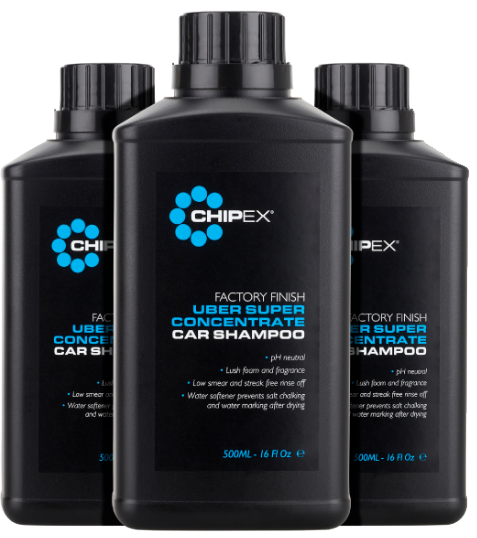
- Swirl marks and light marring: Adopt a safe wash routine—pH-neutral shampoo, two buckets with grit guards, and soft microfiber wash mitts and drying towels—to reduce friction that causes fine scratches.
- Bonded contaminants: Remove tar, tree sap, brake dust, and fallout with a clay bar and iron remover before polishing or protecting. This step restores slickness and helps protection bond properly.
- UV, water spots, and chemical etching: Apply a durable sealant or ceramic spray coating for months of hydrophobic protection. These automotive detailing essentials make dirt release easier and reduce sun fade.
- Fine scratches and scuffs: Use dedicated car scratch removal compounds with microfiber or foam applicators. For larger areas, a dual-action polisher with finishing and cutting pads levels defects safely.
A simple maintenance cadence protects year-round:
- Wash every 1–2 weeks with proper tools.
- Decontaminate quarterly with clay and iron remover.
- Protect every 3–6 months with a sealant or ceramic spray; top up after washes.
- Inspect monthly for chips and treat immediately with touch-up paint; a quick-drying, layering-friendly kit speeds results.
Investing in the right accessories costs far less than a panel respray and keeps your vehicle looking newer for longer.
Common Causes of Paint Damage
From daily commuting to seasonal weather, your paintwork faces constant threats. Knowing what causes damage helps you choose essential car care accessories and habits that actually prevent it.
- Impact from road debris: Grit, gravel, and small stones thrown up at motorway speeds chip leading edges like the bonnet, bumper, grille, and mirror caps. Even one deep chip can expose bare metal and invite rust.
- Chemical contaminants and etching: Bird droppings, bug splatter, and tree sap are acidic or resinous and can etch the clear coat, especially when baked by the sun. Fuel drips around the filler cap and tar deposits also stain and soften finishes if not removed promptly.
- Environmental fallout: Brake dust and rail dust (iron particles) embed in paint and corrode, creating orange specks. Coastal salt spray and winter road salt accelerate corrosion on panels and wheel arches when combined with moisture and oxygen.
- UV and heat: Prolonged sun exposure breaks down clear coat, leading to oxidation, fading, and chalky surfaces. Dark colours absorb more heat, speeding deterioration.
- Poor wash technique: Automatic car washes with stiff brushes and dirty sponges create swirl marks and micro-marring. Harsh detergents strip wax, decreasing protection. Skipping a grit guard, using a single bucket, or reusing contaminated microfibres grinds dirt into paint.
- Winter habits: Scraping ice with hard tools, using boiling water on frozen panels, or brushing snow with gritty bristles leaves scratches. Compact snow can trap grit that acts like sandpaper.
- Parking and daily use: Trolley dings, door edge knocks, key scratches, and dragging bags or cables across the boot can scuff or gouge paint.
- Water spots and acid rain: Hard water leaves mineral deposits that etch if they dry on hot panels. Pollutants in rainwater can further degrade the clear coat over time.
Mitigation matters. Keep automotive detailing essentials on hand: pH-neutral shampoo, microfibre wash mitts, grit guards, fallout and tar removers, and a quality sealant or ceramic topper. For chips and scuffs, Chipex DIY car paint repair system prevents corrosion and keeps car scratch removal minimal. Build vehicle paint maintenance into your routine so small issues never become costly resprays.
Essential Accessories for Paint Preparation
Thorough preparation is the difference between a flawless touch-up and a visible patch. Stocking the right essential car care accessories ensures paint bonds properly, blends cleanly, and lasts through daily driving.
- Wash and decontamination: Use a pH‑neutral shampoo, then remove bonded contaminants with an iron fallout remover and a tar/sap remover. This prevents “fisheyes” and poor adhesion during DIY car paint repair.
- Clay system: A fine clay bar or clay mitt with dedicated lubricant smooths the surface so touch-up paint lays flat and the blending solution can work evenly.
- Panel wipe: A wax and grease remover or 70%–99% isopropyl alcohol eliminates oils, silicones, and polish residues that compromise adhesion. Avoid household glass cleaners; many leave additives behind.
- Lint-free microfibre towels and tack cloth: Edgeless, short-pile microfibres (300–380 GSM) minimise lint; a light tack cloth pick-up removes the final specks of dust before application.
- Masking tape and masking paper/film: Low‑tack automotive tape protects trim, rubber, and adjacent panels. Mask tight edges so blending does not haze surrounding areas.
- Precision cleaning tools: Soft detailing brushes, cotton swabs, and compressed air help clear dirt from inside paint chips and panel gaps—critical for durable paint chip repair tools to perform.
- Sanding and scuffing aids: Ultrafine grey scuff pads and 2000–3000 grit wet/dry paper feather sharp chip edges or nibs around scratches. Use small sanding sticks for control; keep the area tight to avoid flattening clear coat texture.
- Plastic razor blades: Safely lift tar spots, sap, or loose clear without gouging.
- Inspection lighting: A handheld LED light at 5000–6500K reveals remaining defects and helps you assess colour match and coverage during vehicle paint maintenance.
- Safety gear: Nitrile gloves, eye protection, and a vapour mask when using solvents or sanding.
- Environment control: Aim for 10–25°C with low humidity. A simple thermometer/hygrometer helps you work within the quick‑drying window.
Before opening any paint, confirm your exact colour code (or use a number‑plate lookup) and test a small dab on masking film or an inconspicuous spot. With these automotive detailing essentials ready, car scratch removal and touch‑ups blend faster and more seamlessly—setting up the Chipex system’s colour‑matched paint and blending solution for the best possible finish.
Achieving Flawless Touch-Up Paint Application
Flawless results start with the right match and the right tools. Use Chipex’s colour finder by registration or manufacturer colour code to ensure a 100% colour match, then assemble essential car care accessories so your DIY car paint repair goes smoothly: applicator brushes, blending solution, microfibre cloths, masking tape, a pH‑balanced shampoo, panel wipe or isopropyl alcohol, and a soft foam applicator pad.
Work methodically:

- Clean and decontaminate: Wash the panel, remove tar and sap if present, and dry with a clean microfibre. Contaminants can repel paint and cause fisheyes.
- Degrease and isolate: Wipe the chip or scratch with panel wipe. Use low‑tack masking tape to frame the area and protect surrounding clearcoat.
- Check conditions: Aim for 10–25°C, low humidity, and shade. Shake the paint for at least 30 seconds to evenly suspend pigments.
- Apply in micro‑layers: Load the applicator with a tiny drop and wick it into the defect only. Avoid smearing beyond the damage. Let Chipex’s quick‑drying formula flash off between passes; multiple thin layers fill better than one heavy coat.
- Blend for a seamless edge: Lightly moisten a clean cloth with the blending solution and glide over the perimeter with minimal pressure. This softens excess paint on the surrounding clearcoat without pulling paint from the chip.
- Repeat and level: Alternate paint and gentle blending until the repair sits flush. For long scratches, work in short sections.
- Restore gloss and protect: After curing (typically overnight), refine the area with a finishing polish on a foam applicator, then seal with a durable wax or ceramic spray to support ongoing vehicle paint maintenance.
Practical tips:
- Test on an inconspicuous spot to confirm colour accuracy under daylight.
- For scuffs or light marring, try a dedicated car scratch removal compound first; you may not need paint.
- If bare metal is exposed, address rust promptly before touch‑up to ensure adhesion and longevity.
- Avoid washing for 48 hours post‑repair.
These automotive detailing essentials and paint chip repair tools transform small defects into near‑invisible fixes, preserving appearance and value. As part of your essential car care accessories kit, Chipex’s advanced, easy‑to‑use system—with its blending solution and precision applicators—makes professional‑looking results achievable at home.
Maintaining and Protecting Your Car's Finish
A strong, lasting shine comes from a simple cycle: clean, correct, and protect. With the right essential car care accessories, you can remove contamination, repair damage, and shield the finish from new defects, preserving gloss and resale value.
Start with safe washing. Use a pH‑neutral shampoo, a microfiber wash mitt, and two buckets with grit guards to keep dirt off the paint. Pre‑rinse to remove loose debris, then wash top to bottom in straight lines and dry with a plush microfiber towel and a drying aid to reduce water spots.
Decontaminate before any polishing or paint repair. A tar remover will dissolve sticky road tar; an iron fallout remover breaks down embedded brake dust. Follow with a clay bar or synthetic clay mitt and lubricant to leave the surface smooth and ready for correction.
Correct defects methodically. For car scratch removal, use the fingernail test: if your nail doesn’t catch, a mild polish on a dual‑action polisher (or by hand) can level the clear coat and remove the mark. If it catches, it’s likely through the clear coat and needs DIY car paint repair.
For chips and deeper scratches, a colour‑matched touch‑up system is essential. Clean the area, degrease with isopropyl alcohol, and mask edges if needed. Apply a small amount of the advanced, Chipex quick‑drying touch‑up paint in thin layers, letting each flash off. Level the excess with the dedicated Chipex blending solution for a seamless finish, then allow at least 24 hours before sealing. Searching by car registration or factory colour code helps ensure an exact match.
Protect the corrected paint with a durable layer. Polymer sealants and modern spray ceramics offer months of hydrophobic protection; traditional wax adds warmth and gloss. Reapply protection every few months, and top up after washes to extend durability.
Automotive detailing essentials to keep on hand:
- pH‑neutral shampoo, pre‑wash foam, and grit guards
- Microfiber wash mitts, drying towels, and applicator pads
- Tar and iron fallout removers; clay bar and lubricant
- All‑in‑one polish or compound plus finishing polish; DA polisher optional
- Masking tape, panel wipe/IPA, and nitrile gloves
- Paint chip repair tools: colour‑matched touch‑up paint, blending solution, and applicators
Work in shade between 10–25°C with good lighting, avoid dust or rain during curing, and store products sealed and upright. Consistent vehicle paint maintenance makes every wash faster and keeps the finish looking new.
Beyond Repairs: Advanced Protection Solutions
Once your DIY car paint repair is complete and fully cured, the next step is to lock in the finish and shield it from future damage. A layered protection plan combines coatings, films, and maintenance-focused essentials to keep paintwork looking new and make routine cleaning faster and safer.

Start with surface preparation. Before any long-term protection, perform a safe wash using automotive detailing essentials:
- pH‑neutral snow foam pre‑wash to loosen grime
- Two-bucket method with grit guards and a microfiber wash mitt
- Decontamination with an iron remover and a fine clay bar or synthetic clay mitt
- A light finishing polish if needed to refine minor haze from car scratch removal
- Panel wipe (IPA-based) to remove oils prior to coatings or sealants
Choose the right protection layer for your driving and budget:
- Polymer sealant or hybrid spray sealant: Adds gloss and hydrophobicity, typically lasting 3–6 months. Ideal as a first protective layer over fully cured touch-up areas. Easy to top up during routine vehicle paint maintenance.
- Ceramic coating (SiO2-based): Adds chemical resistance, UV protection, and slickness with durability measured in years when maintained. Apply only after touch-up paint has cured; many users wait at least 7 days. Two coats on high-impact zones (front bumper, bonnet, mirrors) improve longevity.
- Paint protection film (PPF): A clear, self-healing barrier that helps prevent stone chips. Best for vulnerable panels and door edges. Avoid trapping moisture over fresh repairs and allow proper curing before installation.
Don’t forget supporting areas that influence overall appearance:
- Glass coating to improve wet-weather visibility
- Wheel and caliper sealants to reduce brake dust bonding
- Trim and tyre dressings with UV inhibitors to prevent fading and browning
Essential car care accessories that make protection last longer include edgeless microfiber towels, foam or suede applicators, masking tape for precise edges, and soft drying towels to avoid marring. After using paint chip repair tools and the blending solution for a seamless finish, wait at least 24–72 hours before applying a sealant. Inspect monthly, top up spray protection after washes, and plan a decontamination cycle every 6 months to maintain performance.
The Long-Term Value of Quality Car Care
Investing in quality products and a simple routine pays for itself by slowing paint degradation, preventing rust, and maintaining a higher resale or trade‑in value. Road salt, UV exposure, and bird lime all attack clearcoat; once chips expose bare metal, corrosion spreads beneath surrounding paint. Addressing damage early with DIY car paint repair stops that spread and avoids larger bodyshop work later.
A colour‑matched touch‑up kit is foundational. Chipex with a 100% Colour Match Guarantee and quick‑drying formula, you can seal a stone chip in minutes, layering as needed and using the blending solution to feather edges for a seamless finish. Being able to search by car registration or colour code removes guesswork. Include paint chip repair tools such as precision brushes, microfibre cloths, and a panel‑wipe to ensure proper adhesion and a clean result.
Beyond repairs, essential car care accessories protect your work and reduce the likelihood of future defects:
- pH‑neutral shampoo, a microfibre wash mitt, and a grit guard to minimise wash‑induced marring
- Decontamination: clay bar or mitt and iron fallout remover to lift bonded contaminants before polishing
- Car scratch removal compounds and finishing polishes for clearcoat marks, applied with foam applicators or a dual‑action polisher
- Protection: a polymer sealant or ceramic coating for long‑term hydrophobic defence; top up with a spray detailer
- Tyre and trim dressings to shield rubber and plastics from UV fade
A practical vehicle paint maintenance schedule:
- Every 2–3 weeks: two‑bucket wash with grit guard; inspect for fresh chips
- Quarterly: decontaminate with iron remover and clay; top up sealant
- Annually: light machine polish for gloss restoration, then apply a durable sealant or ceramic
- Immediately: touch up chips and deep scratches that reach primer or metal; polish can handle lighter scuffs
The long‑term value shows up in avoided lease‑end reconditioning charges, fewer professional resprays, and a car that consistently presents well. Store touch‑up paint sealed and upright, shake thoroughly, apply above 10°C on a clean, dry panel, and protect the repair with sealant once cured. These automotive detailing essentials keep small issues small and preserve your vehicle’s finish for years.
Elevate Your Vehicle's Appearance and Value
A flawless finish signals diligent ownership and protects resale value. With the right essential car care accessories and a simple routine, you can correct small defects quickly and keep your paintwork looking new.

Start with fast, precise repairs. A dedicated touch-up kit is the cornerstone of DIY car paint repair. Chipex provides advanced, easy-to-use paint matched to your vehicle’s exact colour with a 100% Colour Match Guarantee. You can find the right shade by registration or colour code, then use the quick-drying paint and blending solution to fill stone chips and soften edges for a seamless finish before corrosion takes hold.
Build out your setup with automotive detailing essentials that support a professional result:
- Paint chip repair tools: micro-brush applicators for pinpoint accuracy, lint-free removal cloths, masking tape for clean boundaries, and nitrile gloves to keep oils off the surface.
- Surface prep: pH-neutral shampoo, a two-bucket wash with grit guards to prevent swirls, and a clay bar or clay mitt to remove bonded contaminants that hinder adhesion.
- Car scratch removal: a fine-cut compound, foam applicator pads, and quality microfibre towels to refine light scuffs and blend repaired areas without hazing.
- Decontamination aids: panel wipe or isopropyl-based cleaners to strip waxes and silicones so paint and sealants bond correctly.
- Protection: high-quality sealants or ceramic-infused sprays to add UV resistance and hydrophobicity, preserving gloss and easing routine vehicle paint maintenance.
A simple workflow keeps results consistent:
1) Wash and decontaminate the panel.
2) Clean with panel wipe.
3) Apply touch-up paint to chips; allow to flash off.
4) Use the blending solution to level edges.
5) Lightly refine with finishing polish if needed.
6) Seal the area to lock in the repair.
Addressing small defects early prevents larger bodywork costs and keeps appraisers focused on a well-cared-for vehicle. Chipex complements your toolkit with matched paint, blending solutions, and essential kit accessories, making home paintwork and car scratch removal straightforward and repeatable.
Find Your Car's Paint Colour

- Choosing a selection results in a full page refresh.
- Press the space key then arrow keys to make a selection.