
Introduction to Paint Repair Aftercare
Getting the best result from a minor chip or scratch fix doesn’t end when the paint dries. Thoughtful car paint care after repairs helps the new finish bond fully, blend in, and resist the UK’s tough road conditions.
Allow the repair to cure. Always follow product guidance, but a practical rule of thumb:
- First 24–48 hours: Keep the area dry. Avoid washing, rain if possible, and any touching.
- First 7–14 days: Gentle hand-wash only. No automated washes, pressure washers, or strong chemicals. Park out of direct sun where possible.
- After full cure (often 1–2 weeks): Introduce protection and light finishing if needed.
Wash gently to minimise marring. Use a pH-neutral shampoo, two-bucket method, and a clean microfibre mitt. Glide over the repair—don’t scrub the edges. Dry with a plush towel by blotting, not dragging. This approach supports paintwork maintenance UK drivers can rely on year-round.
Protect the area once cured. Car paint protection is crucial for resisting UV, road salt, winter grit, and summertime contaminants.
- Quick detailer or silica spray sealant: Easy monthly top-up; adds slickness and hydrophobicity.
- Premium wax: Warm gloss and added barrier; reapply every 6–8 weeks.
- Ceramic coating: Longer-lasting resilience once the paint is fully cured and oil-free.
Handle contaminants fast. Bird droppings, tree sap, and tar can etch quickly. Mist with a neutral quick detailer, lay a damp microfibre to soften, then lift—don’t rub. Leave tar removers and iron fallout removers until at least 30 days post-repair to avoid softening fresh paint.
Refine only if necessary. For subtle high spots after a blending solution was used, a finishing polish on a soft foam applicator can improve uniformity once cured. Work by hand with light pressure, test a small area first, and avoid heavy compounds.
Adopt a simple car finish upkeep cadence:
- Weekly: Gentle wash and inspection of the repaired spot.
- Monthly: Top up a spray sealant or wax.
- Quarterly: Deep clean and re-protect; decontaminate only on fully cured, established paint.
These targeted steps, supported by quality automotive detailing products, provide reliable scratch repair aftercare and extend the life of a colour-matched repair—keeping your vehicle looking its best on UK roads.
Importance of Post-Repair Paint Protection
A flawless touch-up is only half the job. Car paint care after repairs is what preserves that finish, locks in the colour match, and prevents the same area from degrading again. Freshly corrected spots—whether a stone chip filled with an advanced touch-up paint or a blended scratch—are more vulnerable to UV, chemicals, and abrasion until they’re properly protected.
In the UK, rain, road salt, and grit are constant threats. Winter salt can etch unprotected paint; summer UV and bird droppings can stain and fade. Building protection into your paintwork maintenance UK routine reduces these risks and keeps the repaired area visually consistent with the rest of the panel.
Allow the repair to set before sealing it. Chipex’s quick-drying, colour-matched formula is designed for fast results, but give the paint adequate time to cure as per instructions. As scratch repair aftercare, avoid harsh chemicals, automatic brush washes, or machine polishing on the area until it has fully hardened.
Post-repair protection checklist:
- First wash: Use a pH-neutral shampoo and soft microfiber mitt after the paint has cured enough for contact. Blot dry with plush towels to avoid dragging.
- Sealant or ceramic spray: Apply a quality spray sealant or SiO2 ceramic spray for hydrophobic, UV-resistant car paint protection once curing is complete. These create a sacrificial layer over the touched-up spot and surrounding panel.
- Wax top-up (optional): A high-quality wax can add gloss and a tactile slickness over a cured sealant, enhancing car finish upkeep.
- Contaminant control: After full cure, periodic iron fallout remover helps prevent orange specks on lower panels, especially after winter motorway driving.
- Spot cleaning: Remove bird lime or tree sap immediately with a dedicated quick detailer and a damp microfiber—don’t scrub.
- Gentle washing: Prefer contact-minimising methods and avoid abrasive sponges or old towels on the repaired section.
Choose automotive detailing products that specify UV inhibitors, chemical resistance, and durability. Spray sealants typically last 6–12 weeks; ceramic-infused sprays can extend protection up to a few months. Reapply when water beading weakens, before long trips, and ahead of winter.
This approach keeps the touch-up’s seamless blend intact, maintains uniform gloss, and protects your vehicle’s value—making future clean-ups quicker and further repairs less likely.

Gentle Cleaning Products for Repaired Areas
Fresh touch-up areas respond best to low-stress washing. For car paint care after repairs, prioritise lubricity, neutral chemistry, and soft materials so you lift dirt without abrading the new finish.
Start with a contactless pre-wash. A pH-neutral snow foam helps encapsulate grit; let it dwell for a few minutes and rinse thoroughly. Avoid strong traffic film removers or acidic cleaners around the repair, as they can diminish gloss or interfere with curing.
Use a gentle hand wash next. Choose a shampoo that’s pH-neutral, wax-free, and high-lubricity to reduce drag. The two-bucket method with grit guards keeps abrasive particles away from the mitt. Rinse frequently and wash in straight lines with only light pressure.
Recommended gentle cleaners and tools:
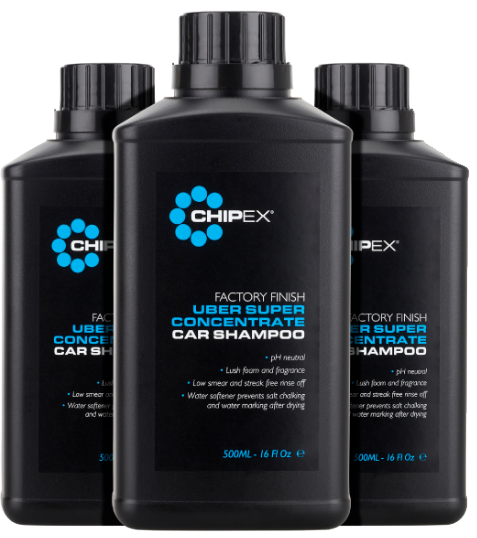
- pH-neutral car shampoo: Look for balanced pH and no harsh solvents. Fragrance and dye-free formulas are often milder on fresh paint.
- Rinseless wash concentrate: Polymer-rich options at typical 1:256 dilutions are ideal for maintenance cleans, flats, or winter when regular hose use is impractical in the UK.
- Neutral snow foam: Offers safe pre-wash softening of road film; do not let it dry on the surface.
- Water-based quick detailer: Useful for light dust or fingerprints; ensure it’s low in solvents and safe on fresh repairs.
- Plush microfibre mitts and towels: 350–500 GSM edgeless towels reduce marring. Skip chamois and drying blades.
- Soft detailing brushes: For badges and grilles, choose soft bristles and minimal pressure; avoid scrubbing the repair itself.
Dry with care. Pat dry rather than dragging the towel, and consider a water-based drying aid for extra slip. In hard-water regions common across the UK, a deionised final rinse or filtered water helps prevent mineral spotting that can etch tender finishes.
What to avoid during scratch repair aftercare:
- High-pressure jets at close range directly on the repair
- Alkaline/acidic cleaners, solvent-heavy bug/tar removers, or iron fallout treatments until the touch-up is fully cured (follow your kit’s guidance)
- Clay bars or aggressive decontamination on the new spot
Once curing is complete, you can transition from cleaning to car paint protection with sealants or waxes as part of broader paintwork maintenance UK and car finish upkeep using quality automotive detailing products.
Car Waxes and Sealants for Shine
Once your touch-up area has fully cured, sealing it is the fastest way to restore gloss and lock in protection. This step is critical for car paint care after repairs because it shields the new paint from UV, road salt, and wash chemicals, and visually blends the repair into the surrounding panel.
Timing matters. Allow touch-up paint to cure as directed—typically 24–48 hours for small chip repairs; for larger bodyshop resprays, wait around 30 days before waxing or sealing. Cool, damp UK weather slows curing, so err on the side of caution. Avoid machine polishing freshly repaired spots for at least one to two weeks.
Choose the right protection based on how you drive and the conditions your car faces:
- Carnauba wax: Rich, warm gloss and good water beading. Expect 6–10 weeks of durability—ideal if you enjoy frequent detailing and a show-car look.
- Synthetic sealant (polymer): Slick finish with stronger chemical resistance and 4–6 months of protection—suited to daily drivers and all-weather paintwork maintenance UK.
- SiO2/ceramic spray sealant: Tight water beading, high gloss, and up to 6–12 months of car paint protection with minimal effort. Great for busy owners and winter resilience.
Application tips for scratch repair aftercare:
- Wash with a pH-neutral shampoo and dry with a clean microfiber. Avoid clay bars or abrasive polishes directly over the fresh repair.
- Apply product by hand using a soft foam or microfiber applicator. Work a thin, even coat over the entire panel, not just the chip area, to blend shine.
- Allow proper cure time per label (often 12–24 hours for sealants) before rain or washing.
- Buff with light pressure using a plush microfiber to prevent disturbing the repaired spot.
Maintenance for lasting car finish upkeep:
- Reapply carnauba every 8–12 weeks; sealants every 4–6 months; SiO2 sprays every 6–12 months.
- Top up after washes with a compatible spray wax or SiO2 detailer to maintain hydrophobic performance.
- In winter, increase frequency—road salt and grime are harsher in the UK.
Chipex’s quick-drying, color-matched repairs pair well with a quality wax or sealant. Use soft applicators and microfiber towels to preserve a seamless finish and extend the life of your touch-up.

Applying Protective Coatings Correctly
Once the repaired area is fully dry, allow adequate curing before sealing. As a rule for car paint care after repairs, wait at least 24 hours; extend to 48–72 hours in cool, damp UK weather. Touch the surface lightly—if it feels tacky or smells strongly of solvent, give it more time. Avoid machine polishing on fresh touch-up work.
Prepare the surface so coatings bond properly:
- Wash with a pH‑neutral shampoo and dry with a soft, high‑GSM microfiber.
- Lightly clay around, not over, the fresh repair if bonded contaminants are present.
- Wipe the area with an isopropyl alcohol (IPA) mix (10–25%) to remove oils. Do not saturate the spot.
Choose the right protection for paintwork maintenance UK drivers can rely on:
- Polymer sealant: high durability (4–6 months), crisp gloss, strong daily protection against rain and road grime.
- Carnauba wax: rich finish; easier to apply in cooler temperatures, but typically 4–8 weeks of protection.
- Silica-infused spray sealant: fast, slick, hydrophobic top-up; ideal for regular maintenance and scratch repair aftercare.
Apply in thin, even coats:
- Work in 30 x 30 cm sections using a foam or short‑pile microfiber applicator.
- Use minimal product—two to three pea-sized drops per section help prevent streaks.
- Let the layer haze per the instructions (often 5–10 minutes for sealants, shorter for sprays).
- Buff gently with a clean 300–500 GSM microfiber, using light pressure to avoid disturbing the touch-up.
Layering matters for car paint protection:
- Sealant first, wax second if you want both. Do not apply ceramic or sealant over wax.
- Allow 12–24 hours between layers for proper cure.
- Keep the car dry and under cover for at least 12 hours after application; avoid rain and road salt.
Ongoing car finish upkeep:
- Wash with pH‑neutral shampoo; avoid harsh traffic film removers on fresh repairs.
- Top up protection every 4–8 weeks with a spray sealant, especially in winter.
- Skip automated brush washes; choose contactless or careful two‑bucket methods using quality automotive detailing products.
This routine safeguards the repaired spot and blends it seamlessly with the surrounding paint.
Maintaining Finish: Avoiding Future Damage
Smart car paint care after repairs starts with patience. Allow the fresh touch-up to cure fully per the kit instructions (typically 24–72 hours) before washing or applying any car paint protection. Avoid machine polishing or abrasive products on the repaired spot until it’s fully hardened.
Adopt a gentle wash routine to prevent new marring. In the UK, grit and road film are constant, so use a pre-wash or snow foam to lift dirt, then a pH-neutral shampoo with the two-bucket method and a soft wash mitt. Rinse thoroughly and dry with plush microfibre towels. Skip automatic brushes; they can induce swirls that dull the finish.
After curing, lock in gloss with a protective layer. For paintwork maintenance UK drivers can rely on:
- Spray sealants for quick, durable hydrophobic protection (reapply every 6–8 weeks).
- Quality carnauba or hybrid waxes for warmth and water beading (every 2–3 months).
- Ceramic spray coatings for longer intervals and strong chemical resistance (up to 6 months, follow product guidance).
Address contaminants fast, especially common UK hazards:
- Bird droppings and bug splatter: soften with a dedicated remover or damp microfibre and lift—don’t rub dry.
- Tree sap and tar: use specific removers sparingly; avoid these on fresh repairs until fully cured.
- Winter road salt: rinse frequently and pre-wash more often to minimize corrosion risk.
For scratch repair aftercare, defer heavy decontamination (iron fallout removers, strong degreasers) on the touch-up area until it’s fully cured. When ready, decontaminate seasonally to keep sealants bonding well.
Reduce impact damage with small habits. Leave more following distance on gritted roads, fit mud flaps if you drive rural routes, and consider paint protection film on high-impact zones like the bonnet edge. Park away from shopping trolley lanes and under cover when possible to limit UV and environmental fallout.

Inspect monthly under bright light. If water stops beading, top up your protection. Gentle techniques, the right automotive detailing products, and timely maintenance keep car finish upkeep simple and help your repair blend seamlessly for the long term.
When to Seek Professional Detailing
DIY solutions handle most chips and light scratches, but there are clear signs that car paint care after repairs will benefit from a professional’s tools, lighting, and experience.
Consider booking a detailer when:
- Scratches cut through clear coat to primer or metal, or rust is present. That’s beyond correction; a detailer can assess whether a body shop respray is required and protect surrounding paint in the meantime.
- The repaired area shows colour mismatch, haloing, or a noticeable texture ridge (“blob”) after a touch-up. A pro can carefully level high spots with denibbing or spot wet sanding and finish with machine polishing to restore uniform gloss.
- You see widespread swirls, buffer trails, water-spot etching, bird-lime marks, or tree‑sap etching that won’t shift with hand polishing.
- There’s overspray, tar, or industrial fallout bonded to the surface; safe chemical and mechanical decontamination is needed.
- You want long-term car paint protection such as a professional ceramic coating or paint protection film (PPF), especially for UK motorway driving, winter road salt, and coastal environments.
- A new or repainted panel needs orange peel reduction, dust nib removal, or blend refinement to match factory finish.
- You’re not confident using a machine polisher or simply prefer a guaranteed finish with measurable results.
What a reputable detailer will do:
- Inspect under high-CRI lighting, measure paint with a depth gauge, and run a small “test spot” to set the least‑aggressive effective process.
- Level and refine touch-up edges, then perform single- or multi-stage machine polishing to recover clarity and colour accuracy.
- Fully decontaminate paint, then apply durable protection (ceramic coating or PPF) and provide a maintenance plan tailored to paintwork maintenance UK conditions.
- Advise on cure times; always allow your repair to fully cure per product instructions before any machine polishing or coating.
Choosing a provider:
- Look for insurance, training/accreditations, a documented process, and before/after case studies. Ask for paint readings, a written scope, and coating maintenance requirements.
For car finish upkeep after professional work, adopt safe-wash methods, pH‑neutral shampoos, quality microfiber, and top up compatible sealants or SiO2 sprays at recommended intervals—key scratch repair aftercare that preserves results and value.
Conclusion: Preserving Your Car's Value
A flawless touch-up is only the start; consistent car paint care after repairs is what preserves gloss, prevents corrosion, and protects resale value. High-quality kits like Chipex’s 100% Colour Match Guarantee and patented, quick-drying formula help you achieve a seamless fix, but your routine in the weeks and months that follow matters just as much.
In the first 24 hours, keep the area clean and dry where possible. Avoid pressure washers and strong chemicals during scratch repair aftercare. If you must remove bird lime or tree sap, gently lay a damp microfibre on the spot to soften it before lifting—no rubbing. Wait at least a couple of weeks before machine polishing or using aggressive solvents so the repair can fully cure. Use the Chipex Blending Solution to level edges and integrate the touch-up with surrounding clearcoat.
Build a simple maintenance plan:
- Weekly: Wash with a pH‑neutral shampoo using the two-bucket method. Use separate tools for wheels and paint. Rinse thoroughly and dry with a plush microfibre towel to prevent water spots.
- Monthly: Top up car paint protection with a polymer or SiO2 spray sealant. Apply to the whole panel for uniform gloss and beading.
- Quarterly: Inspect under bright light for new chips; address promptly to stop rust. Spot-treat tar and bugs with dedicated, paint-safe removers.
- Annually: Consider a gentle decontamination (light clay or fallout remover) on well-cured areas, avoiding any fresh repairs, followed by a sealant refresh.
Adapt for paintwork maintenance UK conditions. In winter, road salt accelerates corrosion—rinse arches and lower panels more often and keep protection topped up before cold snaps. In summer, remove insect residue quickly and use UV-resistant sealants for car finish upkeep.
Choose automotive detailing products that are compatible with fresh repairs: pH‑neutral shampoos, soft microfibres, non-abrasive drying aids, and low-pressure sprayers. Avoid automated brush washes that can mar new clearcoat or pull at fresh touch-ups.
Chipex makes this process straightforward. Search by car registration or colour code to get the exact paint, use the blending solution for a seamless finish, and round out your kit with applicators, microfibres, and protection products. With disciplined aftercare and the right tools, paintwork stays uniform, defects remain invisible, and your vehicle holds its value longer.
Find Your Car's Paint Colour

- Choosing a selection results in a full page refresh.
- Press the space key then arrow keys to make a selection.